
Chill faster. Protect milk quality. Cut peak power demand
A DTS IceBank builds ice between milkings, then uses that stored cooling power to rapidly chill milk before it reaches the vat. The result is better milk quality, reduced grading risk and less work for your vat refrigeration system.
By shifting cooling load off‑peak, IceBanks help cut electricity costs while supporting a more efficient, sustainable operation, without compromising performance when you need it most.
Our IceBanks are engineered to optimise energy usage, reduce peak‑hour power demand, and lower long‑term operating costs.
Build ice overnight and you can also take advantage of off-peak electricity rates.
FIND OUT MORE
Give our Customer Service team a call on 0800 778 335 for more information or contact our Sales Manager to arrange a site visit:
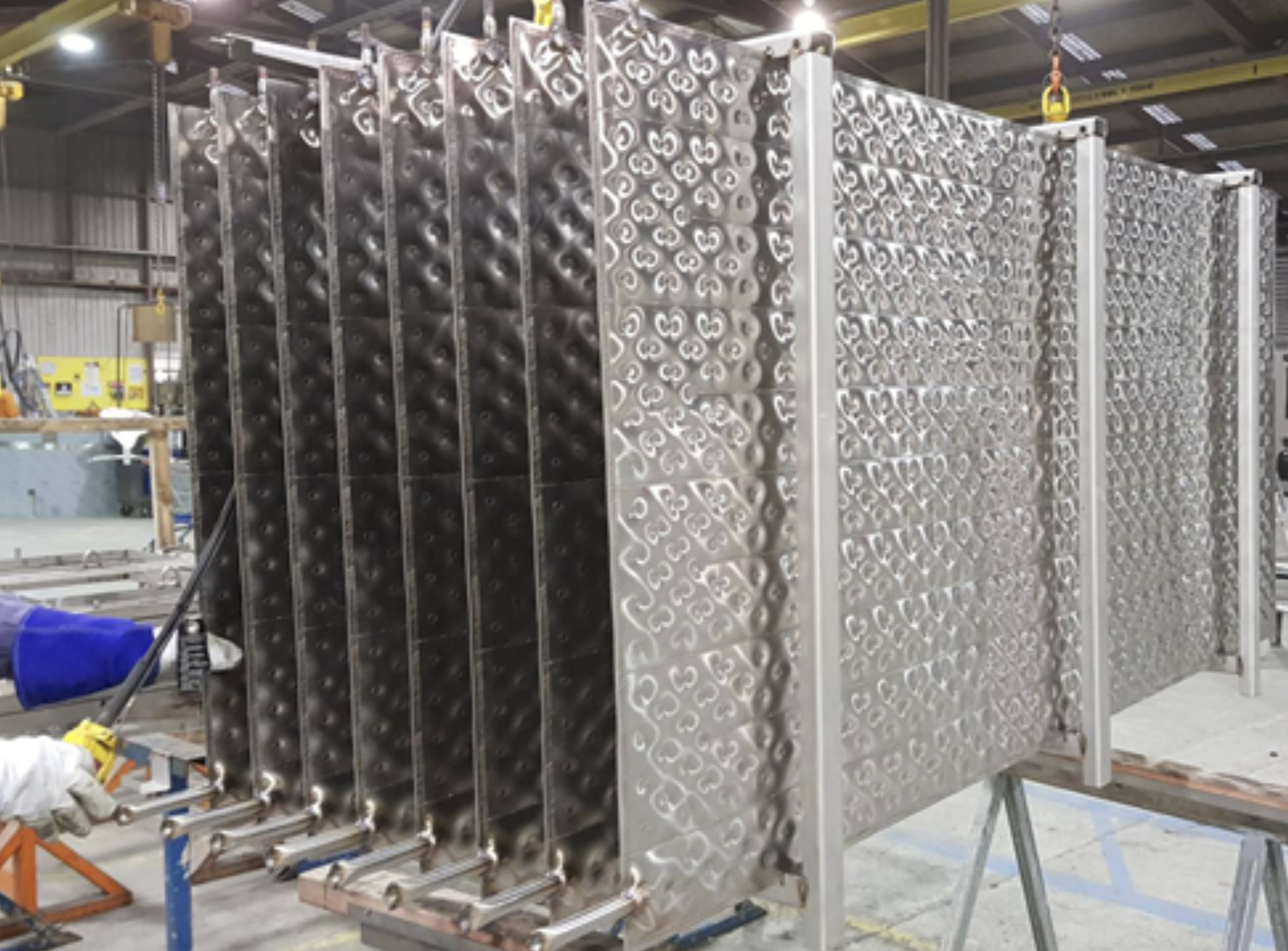
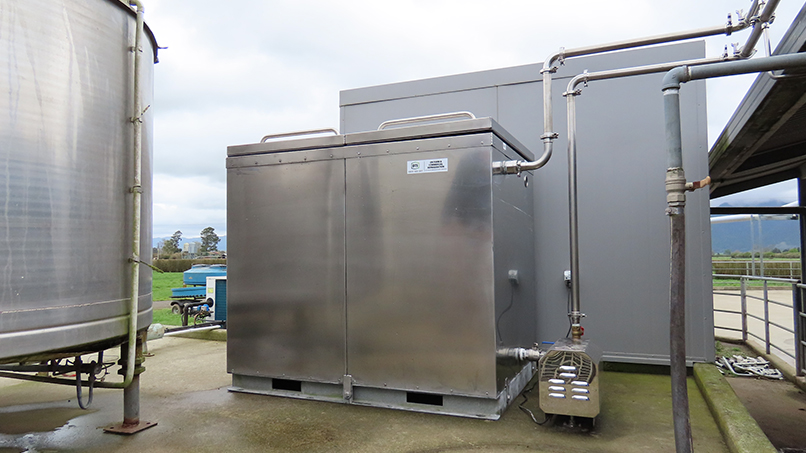
The Ice Bank Cooling Process
- Ice Production: During off-peak hours when energy costs are lower or when the demand for cooling is lower, the refrigeration system generates excess cooling capacity by freezing water to form ice. This is typically done in insulated containers or tanks.
- Peak Demand Cooling: When the refrigeration system encounters peak demand or high-energy cost periods, instead of running the compressor at full capacity to meet the cooling demand directly, the system circulates a heat transfer fluid through the ice bank.
- Cooling Release: As the heat transfer fluid circulates through the ice bank, it absorbs the cooling energy stored in the ice, causing the ice to melt. This process effectively “charges” the heat transfer fluid with cooling capacity.
- Cooling Distribution: The heated heat transfer fluid is then used to cool the desired space or equipment. It absorbs heat from the surroundings, causing the fluid to cool down and the ice bank to further melt.
- Recharging: During off-peak hours or when the demand for cooling decreases, the refrigeration system goes back to producing ice, recharging the ice bank for the next cycle.
Ice Banks - Made in New Zealand
Features and Benefits
- Ice is built up between milkings reducing your peak power load during milking.
- Because ice is built up overnight, you may be able to take advantage of off-peak power rates.
- Single and three-phase power supply options are available.
- Optional heat recovery.
- Several ice bank options are available to suit your needs.
- Compact system.
- DTS will supply, deliver, install and commission your system anywhere across New Zealand.
SPECIFICATIONS
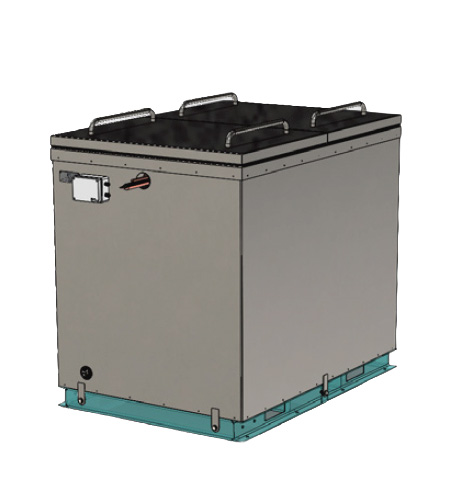
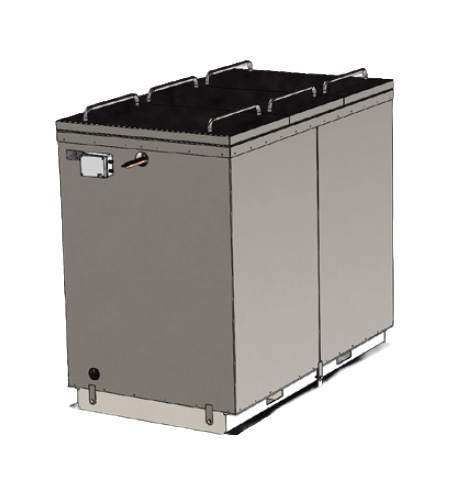
| ICE BANK DTS50 6HP | ICE BANK DTS75 9HP | ICE BANK DTS100 13HP | ||
|---|---|---|---|---|
| LIGHT | HEAVY | LIGHT | LIGHT | |
 |
 |
|
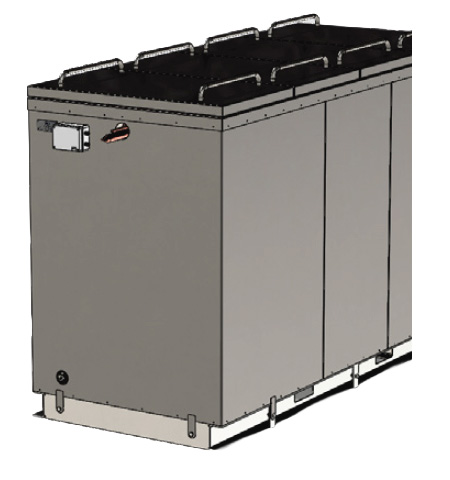 |
|
| Size (LxWxH)mm | 1480 x 1390 x 1060 | 2960 x 1390 x 1060 | 1850 x 1600 x 1061 | 2500 x 1600 x 1061 |
| Dry Weight | 540 kg | 800 kg | 685 kg | 910 kg |
| Tank Volume | 1300 L | 1950 L | 2600 L | |
| Cooling Capacity | 45,000°C.L | 67,500°C.L | 90,000°C.L | |
| Electronic Ice Thickness Control | E37M1201001 | E37M1201001 | E37M1201001 | E37M1201001 |
COOLING PERFORMANCE (GUIDELINE ONLY)
| ICE BANK DTS50 | ICE BANK DTS75 | ICE BANK DTS100 | |||||
|---|---|---|---|---|---|---|---|
| COOLED TO | FROM 20°C | LITRES OF MILK | HERD SIZE* | LITRES OF MILK | HERD SIZE* | LITRES OF MILK | HERD SIZE* |
| 4°C | 16°C | 11,250 | 750 | 16,875 | 1,125 | 22,500 | 1,500 |
| 6°C | 14°C | 7,500 | 500 | 11,250 | 750 | 15,000 | 1,000 |
| 8°C | 12°C | 5,625 | 375 | 8,400 | 560 | 11,250 | 750 |
| 10°C | 10°C | 4,500 | 300 | 6,750 | 450 | 9,000 | 600 |
| 12°C | 8°C | 3,750 | 250 | 5,625 | 375 | 7,500 | 500 |
| 14°C | 6°C | 3,214 | 214 | 4,811 | 321 | 6,429 | 429 |
| 16°C | 4°C | 2,813 | 188 | 4,230 | 282 | 5,625 | 375 |
*Herd size based on 25 litres of milk per animal per day. Although the information presented in this Product Information Sheet is believed to be accurate and reliable, no responsibility for inaccuracies can be assumed by DTS Limited. Performance data is typical only and variations due to component manufacturing tolerances are normal. DTS Limited reserves the right at any time to change performance characteristics or specifications without prior notice.
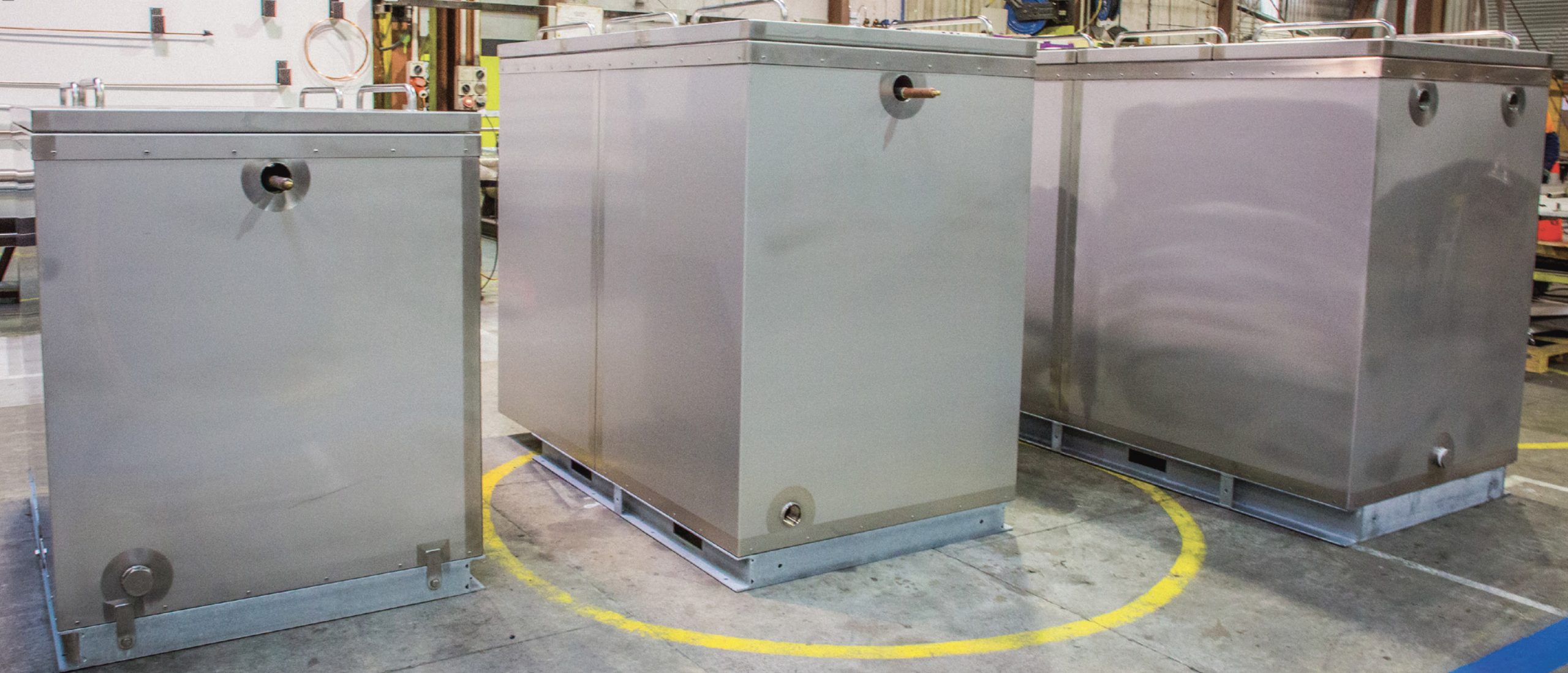
| CONDENSING UNIT DTS50 6HP HEAVY | |
|---|---|
| Compressor | MTZ 81-4 |
| Displacement | 23.63 |
| Total current: Building ice without water pump on | 15A |
| Total current: With water pump on and building ice | 17A |
| Total current: Water pump on, not building ice | 8A |